

This scoping review aims to synthesize available information to understand the prevalence, incidence, distribution, morbidity, mortality, and risk factors of NTDs in Rwanda.
This study investigated the prevalence of malaria, urogenital schistosomiasis, and co-infections and their impact on the nutritional status of schoolchildren in two communities in Ondo State.
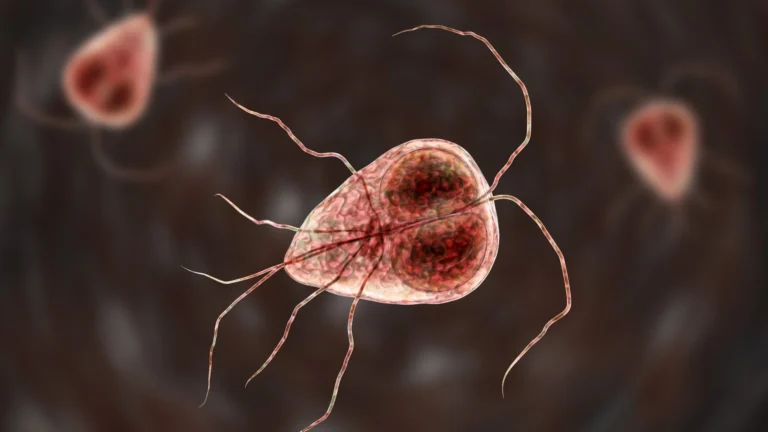
Giardia intestinalis co-infection reduces diarrheal severity, a leading cause of child mortality. We found a high prevalence of asymptomatic Giardia in Nigerian schoolchildren.
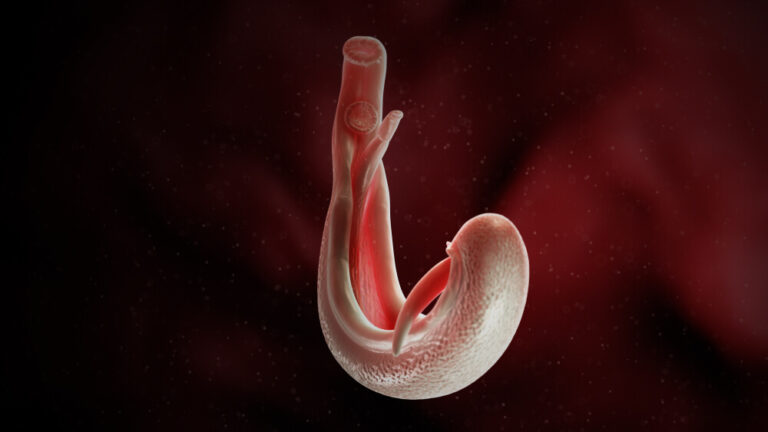
Our genomic analysis of 162 African blood fluke samples reveals a sharp north-south genetic split. We find evidence of ancient introgression from S. bovis with profound genomic consequences for adaptation.

Infection peaked among individuals aged 10-29. Age, education, and knowledge significantly influenced the 16.6% prevalence in two endemic communities.

Epidemiological study used microscopy and HBsAg serology to determine the burden of co-infection among inmates at the Nigerian Correctional Center in Owo.